Author name: Keith Jackson

Turbidity Curtain vs. Containment Boom

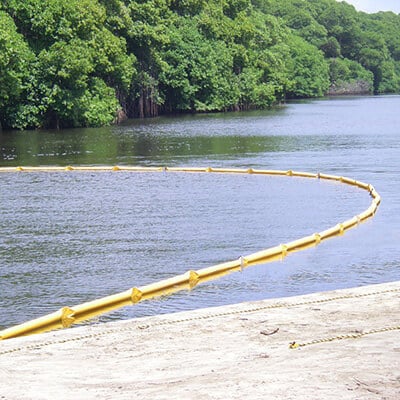
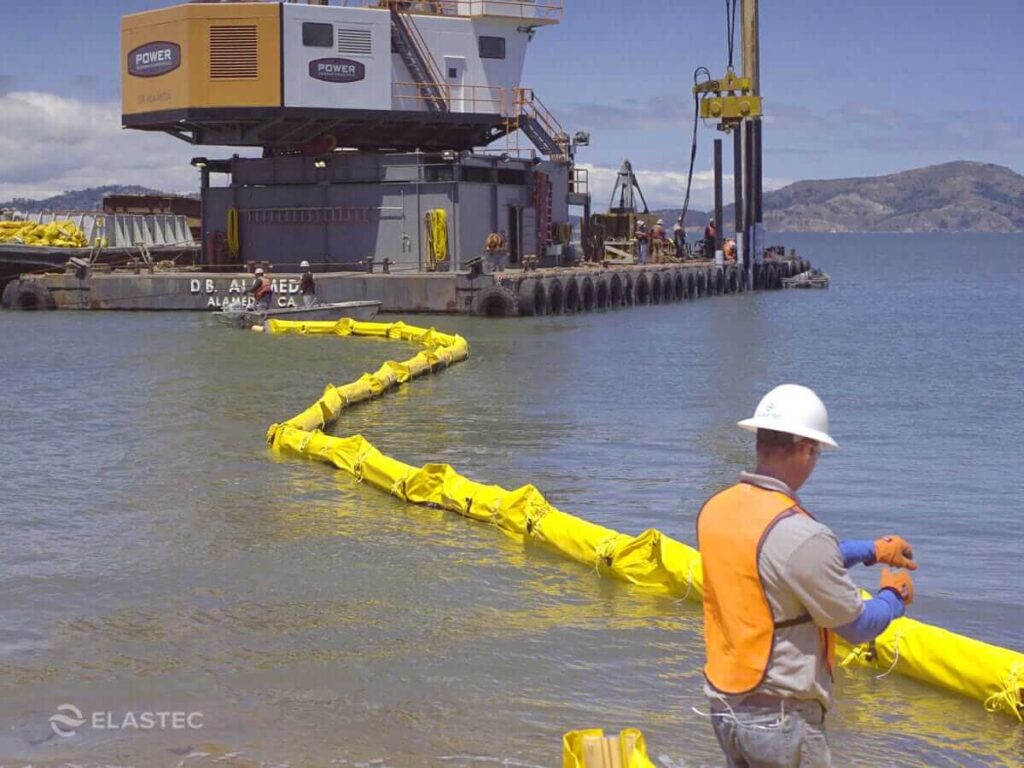
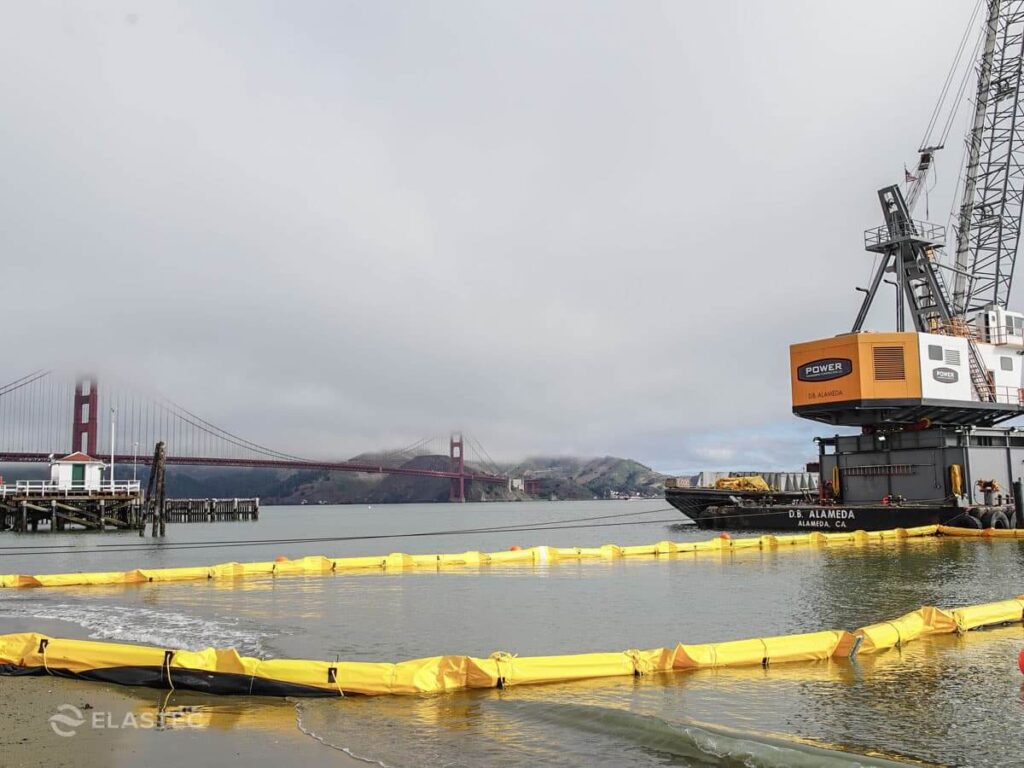
Turbidity Curtain vs. Containment Boom In marine construction, dredging, and environmental protection, selecting the right floating barrier is critical. Two commonly used solutions—turbidity curtains and containment booms—serve very different purposes, even though they may appear similar at first glance. Understanding how each works and when to use them ensures compliance, improves project efficiency, and protects […]

Turbidity Curtain vs. Containment Boom Read More »

How Water Hyacinth Harms Waterways — and Why Aquatic Barriers Are an Effective Solution

Water hyacinth (Pontederia crassipes) is often described as a beautiful aquatic plant—but beneath its attractive appearance lies one of the most destructive invasive species in freshwater systems. Originally native to South America, water hyacinth now infests freshwater bodies worldwide, forming dense mats that disrupt ecosystems, infrastructure, and public health. At Elastec, we help communities and

How Water Hyacinth Harms Waterways — and Why Aquatic Barriers Are an Effective Solution Read More »

How Floating Barriers Protect Fisheries & Improve Aquaculture Operations

Fisheries and aquaculture operations rely on stable, predictable water conditions — but floating debris, invasive aquatic vegetation, and uncontrolled fish movement can disrupt daily operations and threaten fish health. Whether managing a hatchery, running an aquaculture pen system, or maintaining a natural river fishery, operators need tools that help create structure and protect sensitive areas.

How Floating Barriers Protect Fisheries & Improve Aquaculture Operations Read More »

Using Containment Boom for Cranberry Harvesting: How Elastec Supports Wet Harvest Operations

Cranberry farming relies on a unique agricultural process that sets it apart from most other crop industries. During the fall wet harvest, growers flood their bogs and use floating containment boom—often called cranberry boom, cranberry containment boom, or bog boom—to corral and collect the berries as they rise to the surface. This simple but highly

Using Containment Boom for Cranberry Harvesting: How Elastec Supports Wet Harvest Operations Read More »

How Oil Skimmers Work in Spills

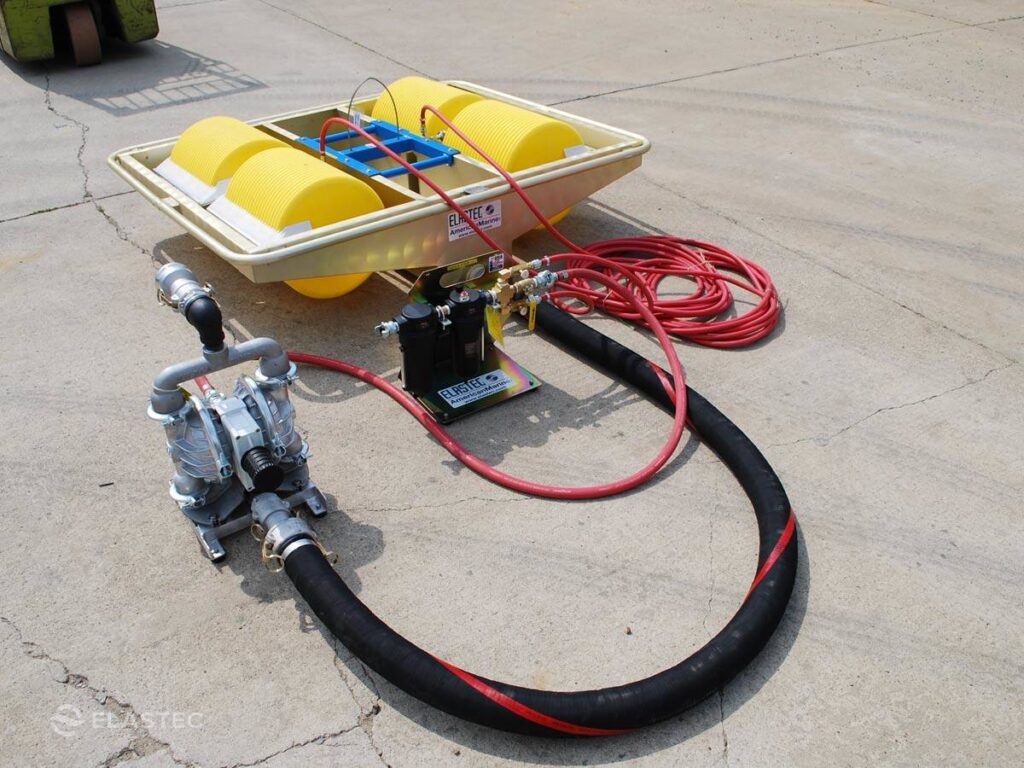
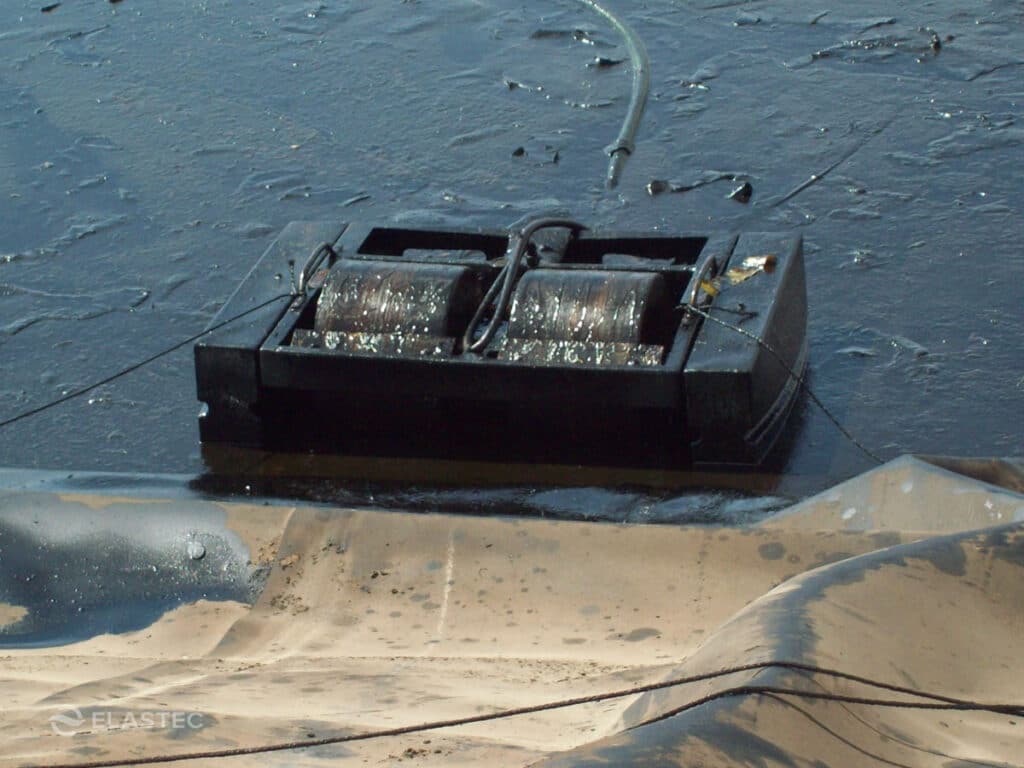
Oil skimmers are crucial in managing these oil spills. They help remove oil from the water’s surface. They work by separating oil from water, allowing for collection and disposal. Different types of skimmers are used depending on the situation. Each type has unique features and applications. Understanding how oil skimmers work is vital for environmental

How Oil Skimmers Work in Spills Read More »

Best Practices for Oil Spill Response

Understanding best practices for oil spill response can help mitigate their impact. This includes prevention, control, and cleanup methods. By learning these practices, we can reduce oil pollution and safeguard our environment. Collaboration and innovation are key to improving response efforts. Join us as we explore the best practices for oil spill response and how

Best Practices for Oil Spill Response Read More »

What Are the Proper Storage Procedures for Containment Booms?

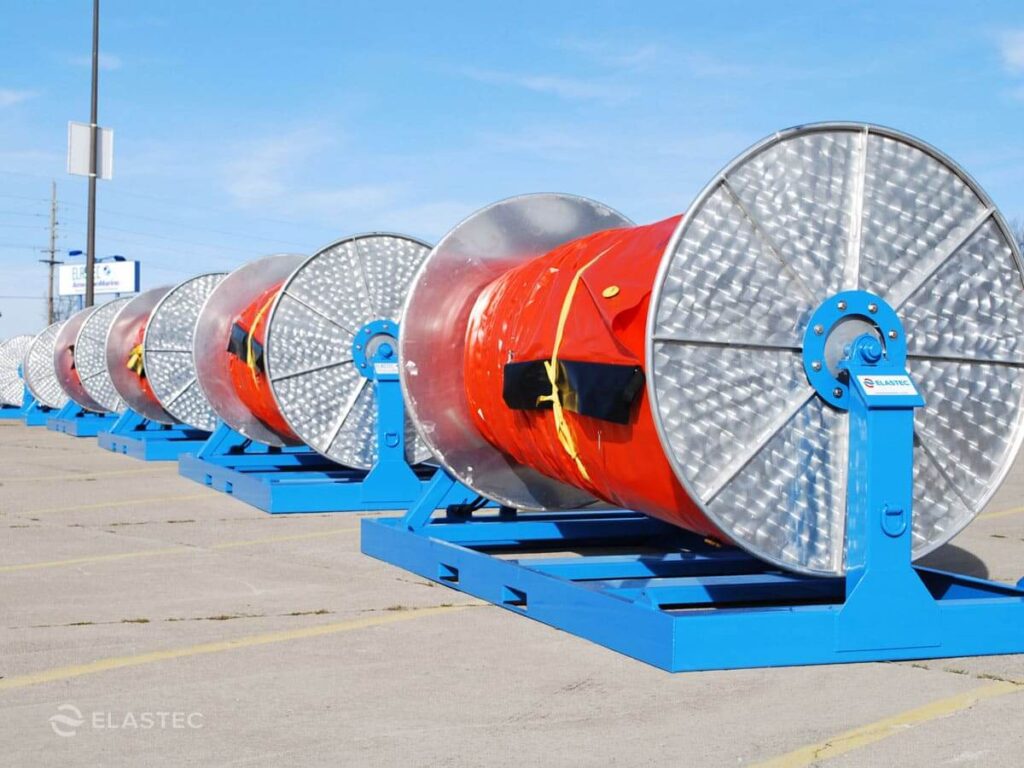
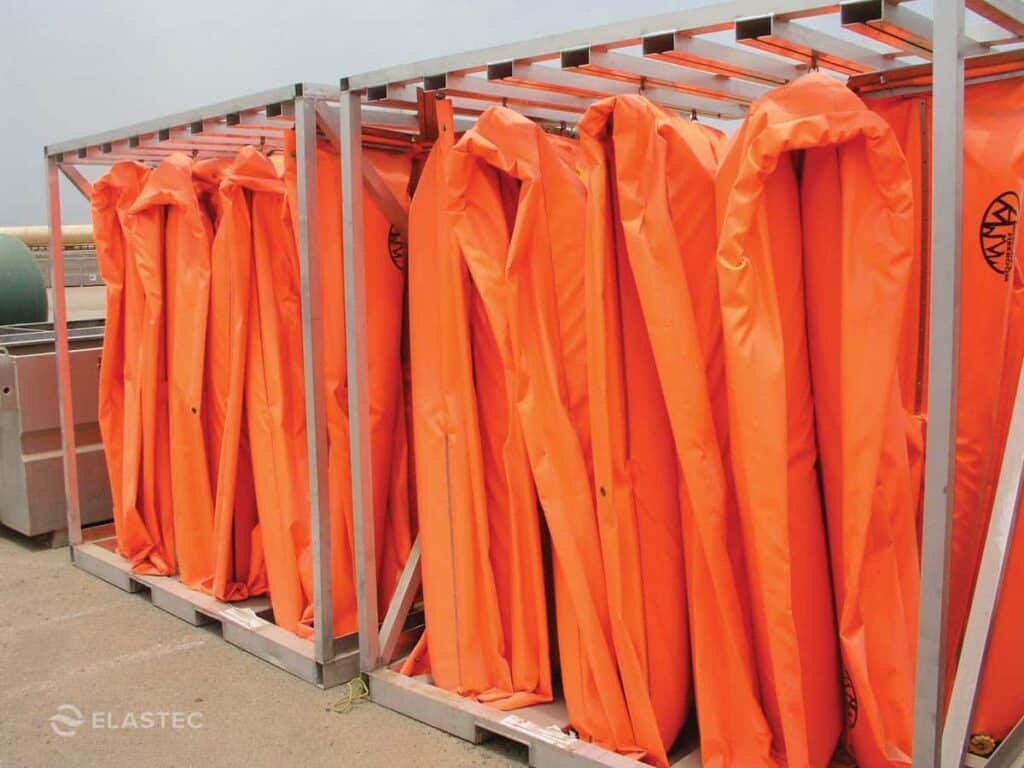
What Are the Proper Storage Procedures for Containment Booms? Proper storage is one of the most important—and often overlooked—steps in a comprehensive spill response plan. An oil containment boom is only as effective as its condition when deployed. A poorly stored boom can fail during a spill emergency, leading to environmental damage, regulatory fines, and

What Are the Proper Storage Procedures for Containment Booms? Read More »

Scroll to Top
Visit Elastec during FWRC in Daytona Beach, FL
This is default text for notification bar