How to Choose the Right Turbidity Curtain for Your Project
Turbidity curtains—also known as silt curtains, sediment barriers, or turbidity barriers—are essential tools in marine construction, dredging, and environmental remediation projects. Their primary purpose is to contain suspended sediments stirred up during in-water work, preventing them from spreading into surrounding waterways and harming aquatic ecosystems.
Selecting the right turbidity curtain is critical for ensuring compliance, protecting the environment, and keeping your project on schedule. With a wide range of options available, understanding the key factors involved in choosing the appropriate curtain will help you make the best decision for your site conditions.
Understanding the Role of Turbidity Curtains
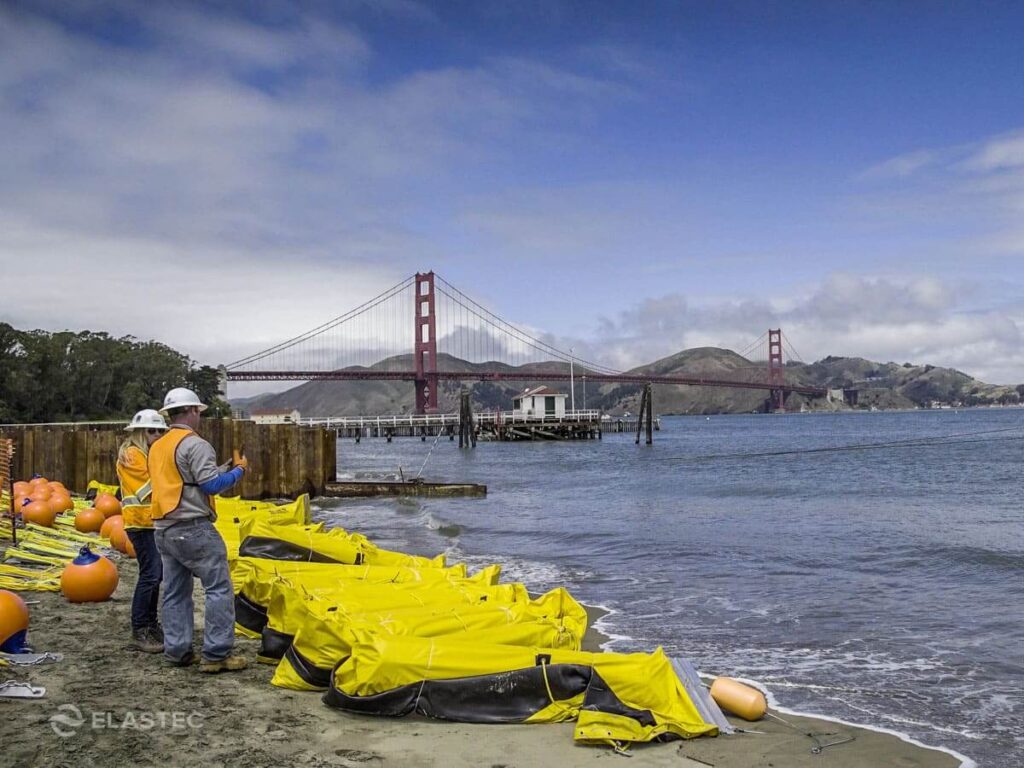
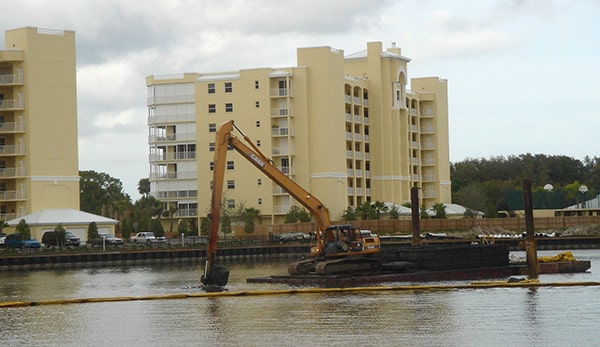
Turbidity curtains act as floating barriers that extend below the water’s surface to contain sediment-laden water. By slowing water movement and isolating disturbed areas, they allow suspended particles to settle naturally rather than spreading into sensitive habitats.
They are commonly used in:
- Marine and shoreline construction
- Dredging operations
- Bridge and dock repairs
- Environmental remediation projects
- Stormwater and erosion control applications
Using the correct turbidity curtain not only improves water quality outcomes but also helps contractors meet environmental regulations and avoid costly fines or delays.
Key Factors to Consider When Choosing a Turbidity Curtain
1. Water Depth and Site Conditions
One of the most important considerations is the environment where the curtain will be deployed.
- Water depth: Curtains must be sized appropriately to extend close to the bottom without dragging or being damaged.
- Current speeds: High currents can place significant stress on the curtain and anchoring system.
- Wave action: Open water or windy environments require more durable, high-tension designs.
- Bottom conditions: Rocky, soft, or uneven bottoms impact anchoring methods and curtain performance.
For example, calm, sheltered waters may only require a lighter-duty curtain, while rivers, lakes, or coastal environments often demand heavy-duty or reinforced models.
2. Project Purpose and Regulatory Requirements
Every project has unique goals and compliance obligations. Understanding these upfront is essential.
- Containment vs. exclusion: Some projects require strict sediment containment, while others aim to redirect flow.
- Local and federal regulations: Agencies such as the U.S. Environmental Protection Agency and state Departments of Transportation often specify curtain types, depths, and installation practices.
- Project duration: Temporary jobs may allow for lighter materials, while long-term deployments require more durable solutions.
Failure to meet regulatory standards can result in project shutdowns or penalties, making it critical to choose a curtain that aligns with all applicable guidelines.
3. Material and Durability
Turbidity curtains are constructed from a variety of materials designed to withstand different environmental conditions.
- Fabric strength: Heavier fabrics provide better resistance to tearing and abrasion.
- UV resistance: Essential for long-term outdoor exposure.
- Flotation and ballast systems: Ensure the curtain remains upright and properly positioned.
- Seam construction: Reinforced seams improve durability in high-stress environments.
Choosing the right material ensures the curtain performs reliably throughout the project and reduces the risk of failure in demanding conditions.
Matching Curtain Types to Your Application
Different turbidity curtain types are designed for specific conditions:
- Type 1 (Calm Water): Ideal for ponds, lakes, and sheltered areas with minimal current or wave action.
- Type 2 (Moderate Conditions): Suitable for rivers, protected coastal areas, and light current environments.
- Type 3 (High Current / Open Water): Designed for strong currents, tides, and rough water conditions. Also used for deep curtains in lakes/reservoirs.
Selecting the correct type ensures optimal performance and longevity while minimizing maintenance and repositioning.
Best Practices for Successful Deployment
To get the most out of your turbidity curtain, follow these best practices:
- Conduct a thorough site assessment before installation
- Use proper anchoring systems suited to bottom conditions
- Regularly inspect for wear, damage, or displacement
- Adjust positioning as conditions change
- Train crews on proper installation and maintenance procedures
Proper planning and installation are just as important as selecting the right curtain.
Protecting Waterways with the Right Solution
Turbidity curtains play a vital role in protecting waterways from harmful sediment pollution. By containing suspended solids and maintaining water clarity, they help preserve aquatic habitats, improve project outcomes, and ensure regulatory compliance.
Choosing the right turbidity curtain comes down to understanding your environment, your project requirements, and the conditions your equipment will face. With the right selection, you can confidently move forward knowing your project is both effective and environmentally responsible.
Get Expert Guidance for Your Project
Every site is different, and selecting the right turbidity curtain can be complex. Whether you’re working in calm inland waters or challenging coastal environments, expert guidance can help you avoid costly mistakes.
Contact us today to discuss your project requirements and get a recommendation for the turbidity curtain that best meets your needs.
Connect With Us
Sign up for our newsletters to receive the latest news and product information from Elastec.