Types of Turbidity Curtains: Type 1, Type 2, and Type 3
Turbidity curtains—also known as silt curtains or sediment barriers—are essential tools for controlling suspended solids in water during construction, dredging, and remediation projects. However, not all turbidity curtains are the same. They are typically categorized into three main types—Type 1, Type 2, and Type 3—based on water conditions and project requirements.
Choosing the correct type is critical to maintaining compliance, protecting water quality, and ensuring your project runs efficiently.
Type 1 Turbidity Curtains: Calm Water Applications
Type 1 turbidity curtains are designed for use in calm, protected waters where there is little to no current or wave action.
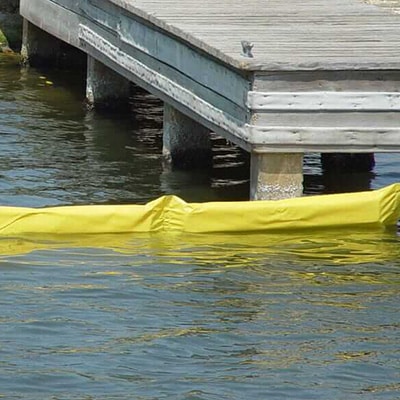
Key Features:
- Lightweight construction
- Shorter skirt depth
- Minimal anchoring requirements
- Cost-effective solution
Ideal Use Cases:
- Ponds and small lakes
- Sheltered marinas
- Canals and drainage areas
- Inland containment projects
Considerations: Type 1 curtains are not built to withstand strong currents or wind-driven waves. Using them in dynamic environments can lead to failure or sediment escape.
Type 2 Turbidity Curtains: Moderate Conditions
Type 2 turbidity curtains are designed for moderate water conditions, including areas with some current, tidal movement, or light wave action.
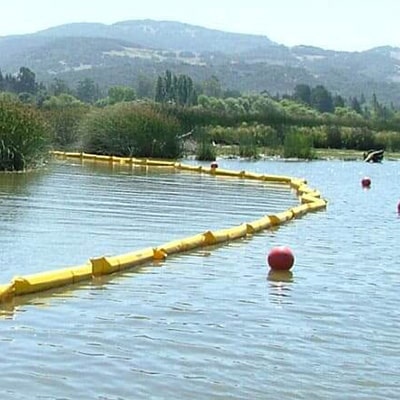
Key Features:
- Reinforced fabric and flotation
- Increased skirt depth
- More robust anchoring systems
- Greater durability than Type 1
Ideal Use Cases:
- Rivers and streams
- Nearshore coastal projects
- Bridge and pier construction
- Utility installations in water
Considerations: Type 2 curtains provide a balance between performance and cost. They are versatile but may still struggle in high-energy environments.
Type 3 Turbidity Curtains: High-Energy Environments
Type 3 turbidity curtains are engineered for harsh, high-energy conditions, including strong currents, tides, and significant wave action. They are also used for deep curtains in lakes/reservoirs.
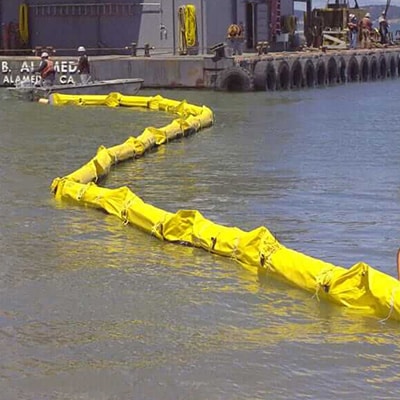
Key Features:
- Heavy-duty materials and construction
- Deep skirts for maximum containment
- High-strength flotation systems
- Advanced anchoring and tensioning systems
Ideal Use Cases:
- Coastal and offshore projects
- Large-scale dredging operations
- Ports and harbors with heavy traffic
- Open water construction
- Lakes/reservoirs
Considerations: While more expensive, Type 3 curtains provide the highest level of performance and reliability in challenging environments.
How to Choose the Right Turbidity Curtain
Selecting the correct turbidity curtain depends on several key factors:
– Water Conditions: Current speed, wave height, and wind exposure
– Project Scope: Size, duration, and regulatory requirements
– Site Characteristics: Depth, bottom composition, and access
– Compliance Needs: Local, state, or federal environmental regulations
When in doubt, consult with an experienced manufacturer or environmental specialist to ensure proper selection and deployment.
Understanding the differences between Type 1, Type 2, and Type 3 turbidity curtains is essential for protecting water quality and maintaining compliance on your project. Each type is designed for specific conditions, and using the correct curtain can mean the difference between success and costly setbacks.
Contact us today to discuss your project requirements and get a recommendation for the turbidity curtain that best meets your needs.
Connect With Us
Sign up for our newsletters to receive the latest news and product information from Elastec.