Understanding best practices for oil spill response can help mitigate their impact. This includes prevention, control, and cleanup methods. By learning these practices, we can reduce oil pollution and safeguard our environment. Collaboration and innovation are key to improving response efforts. Join us as we explore the best practices for oil spill response and how they can make a difference.
Understanding Oil Spills and Their Impact
Oil spills occur when oil is released into the ocean or coastal waters. This can happen due to accidents, equipment failure, or natural disasters. The effects of oil spills are devastating for marine ecosystems. They can harm sea life, damage habitats, and poison the food chain. The impact extends to human communities, affecting their health and livelihoods. Economically, spills can disrupt fisheries and tourism.
Key consequences of oil spills include:
- Death of marine organisms
- Damage to coral reefs and shorelines
- Long-term ecosystem changes
Understanding these impacts underscores the necessity of effective oil spill response strategies. Immediate action helps limit the damage and speed up recovery.
Prevention: The First Line of Defense
Preventing oil spills is far more effective than trying to clean them up after they occur. Regular maintenance of oil rigs and ships is crucial. This helps identify potential issues before they lead to leaks. Implementing strict regulations and safety protocols can significantly reduce spill risks. These measures require investment but are cost-effective in the long term. Training workers and conducting safety drills ensure preparedness. This minimizes human error, which is often a contributing factor in spills. Strong regulatory compliance helps create a culture of safety.
Key prevention strategies include:
- Regular equipment inspections
- Strict adherence to safety regulations
- Comprehensive training programs
Engaging with international agreements, like the MARPOL Convention, also bolsters prevention efforts. Global collaboration is vital to enforcing these standards. Adopting best practices worldwide ensures consistency in prevention approaches.
Preparedness and Emergency Planning
Being prepared for an oil spill is essential for effective response. Emergency plans should detail specific actions and responsibilities. Quick responses limit environmental and economic damage. Regular drills and training sessions ensure teams are ready for real spills. They help identify weaknesses in the response strategy. Continuous improvement based on drill outcomes is vital.
Preparedness involves:
- Developing clear emergency response plans
- Conducting regular drills and training
- Coordinating with local and international response teams
Using technology like oil spill detection systems enhances preparedness. Real-time data from these systems allows for faster decision-making. Being well-prepared can significantly mitigate the impacts of oil spills.
Oil Spill Response: Immediate Actions
Immediate actions are crucial to managing oil spills effectively. Rapid assessment of the spill’s extent is the first step. Identifying the type of oil involved guides response strategies.
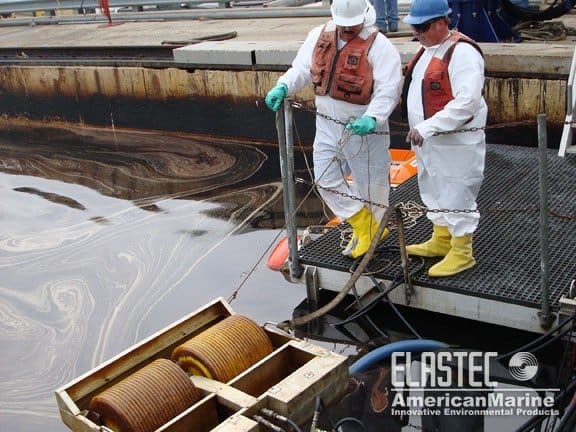
Deploying containment measures quickly reduces spread. Booms and skimmers are effective tools for early action. They help contain and start removing oil from the water surface.
Key immediate actions include:
- Rapid assessment of the spill area and oil type
- Deployment of containment measures like booms and skimmers
- Coordination with local authorities and experts
Every minute counts during an oil spill. Swift response minimizes the impact on marine environments and coastal communities. Coordination among teams ensures successful containment and cleanup.
Methods for Oil Spill Cleanup
Cleaning up oil spills requires a blend of methods. Each spill is unique, demanding tailored responses. The chosen methods depend on factors like oil type, spill size, and environmental conditions. Mechanical methods remain widely used and involve physical actions. These include deploying booms to contain the oil and skimmers to remove it. They offer a straightforward approach to tackling surface oil. Non-mechanical methods include chemical and biological techniques, or methods like in-situ burning. Chemical dispersants break oil into smaller droplets, which microbes can more easily degrade. Though effective, they can have environmental downsides.
Key considerations in cleanup methods:
- Types of oil and environmental conditions
- Balance between effectiveness and environmental impact
- Use of technology to enhance operations
Mechanical Cleanup Methods
Mechanical methods are fundamental in oil spill response. They physically contain and remove oil from affected areas. Booms and skimmers are prevalent choices due to their effectiveness. Booms form barriers to prevent oil spread. Skimmers then scoop it up for storage and disposal. These methods provide a direct and immediate impact on surface oil.
Mechanical strategies include:
- Deployment of booms for containment
- Use of skimmers for oil removal
- Manual techniques for shoreline cleanup
Chemical and Biological Methods
Chemical and biological methods provide alternative cleanup strategies. They can complement mechanical methods by targeting different oil properties. Chemical dispersants are sprayed over oil to break it into tiny droplets. This helps speed up natural degradation but must be managed to minimize ecological harm.
Bioremediation uses living organisms to consume and break down oil particles. It offers a natural and potentially sustainable cleanup method. Microorganisms digest oil, transforming it into less harmful substances.
Key techniques include:
- Spraying chemical dispersants for droplet breakdown
- Employing bioremediation using microorganisms
- Combining with mechanical methods for broader effectiveness
In-Situ Burning (ISB)
In-situ burning is a controlled method of removing oil directly from the water’s surface by igniting it in place. When conditions allow, this technique can quickly eliminate large quantities of oil, reducing the amount that reaches shorelines or sensitive habitats. It is especially useful in remote or ice-covered regions where mechanical recovery is difficult.
While highly effective in certain scenarios, ISB must be carefully managed to minimize air quality impacts and ensure safety for personnel and wildlife.
Restoration and Long-Term Recovery
After an oil spill, restoration is crucial to revitalize affected areas. This process involves rehabilitating damaged ecosystems and wildlife. It supports the natural return of biodiversity and ecological balance. Long-term recovery focuses on sustained environmental health and community resilience. It includes monitoring restoration progress and adapting strategies as needed. Effective recovery ensures ongoing protection against future incidents.
Vital aspects of restoration:
- Rehabilitating affected habitats and wildlife
- Continuous monitoring and adaptation
- Engaging local communities in recovery efforts
Collaboration, Innovation, and Public Involvement
Effective oil spill response relies heavily on collaboration. Government bodies, environmental groups, and industries must work together. Their joint efforts enhance response strategies and resource sharing.
Innovation and public involvement are equally crucial. New technologies improve cleanup efficiency, while public engagement raises awareness. Such involvement leads to better-prepared communities.
Key elements of collaboration and innovation:
- Joint efforts and resource sharing
- Development and use of new technologies
- Active public participation and education
Oil spill response must keep evolving. Ongoing learning and innovation ensure effective strategies for safeguarding our oceans.
Connect With Us
Sign up for our newsletters to receive the latest news and product information from Elastec.