मैकेनिकल रिकवरी सिस्टम का आकार कैसे निर्धारित करें
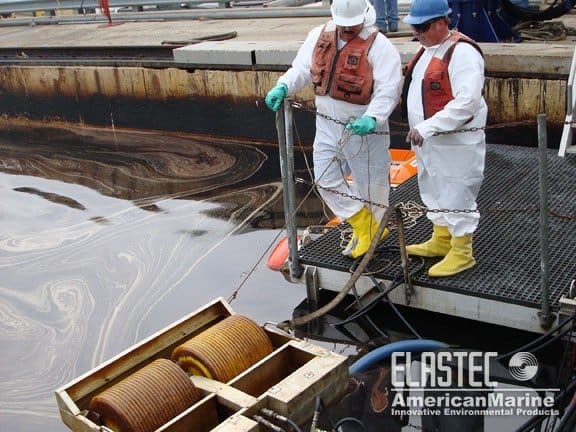
तेल रिसाव पुनर्प्राप्ति प्रणाली मात्र एक स्किमर से कहीं अधिक है। RSI पौना यह महत्वपूर्ण है, लेकिन यह बचाव श्रृंखला का केवल एक हिस्सा है। एक उपयुक्त प्रणाली को तेल एकत्र करना, तेल को स्थानांतरित करना, तेल का भंडारण करना, कर्मचारियों को सहायता प्रदान करना और उन परिस्थितियों में काम करते रहना होता है जहां रिसाव होने की संभावना होती है। यदि इनमें से कोई एक हिस्सा भी अपर्याप्त हो, तो पूरा अभियान धीमा हो जाता है।
खरीद प्रक्रिया के बारे में सोचने का यही सबसे अच्छा तरीका है। शुरुआत इस सवाल से न करें, “किस स्किमर की नाममात्र क्षमता सबसे अधिक है?” बल्कि इस सवाल से शुरू करें, “कौन सा संपूर्ण सिस्टम व्यावहारिक रूप से उस तेल को पुनर्प्राप्त, स्थानांतरित, संग्रहित और संभाल सकता है जिसकी हमें उम्मीद है?”
यह खरीदारी गाइड मैकेनिकल घड़ी के लिए प्रमुख साइजिंग निर्णयों के बारे में विस्तार से बताती है। तेल रिसाव पुनर्प्राप्ति प्रणालीयह उन परिचालन सेवाओं (OSROs), तेल और गैस कंपनियों, टर्मिनलों, रिफाइनरियों, पाइपलाइनों, रेल प्रतिक्रिया टीमों और समुद्री ऑपरेटरों के लिए लिखा गया है जिन्हें व्यावहारिक उपकरणों की आवश्यकता होती है जिन्हें वे तैनात कर सकते हैं, संचालित कर सकते हैं और रखरखाव कर सकते हैं।
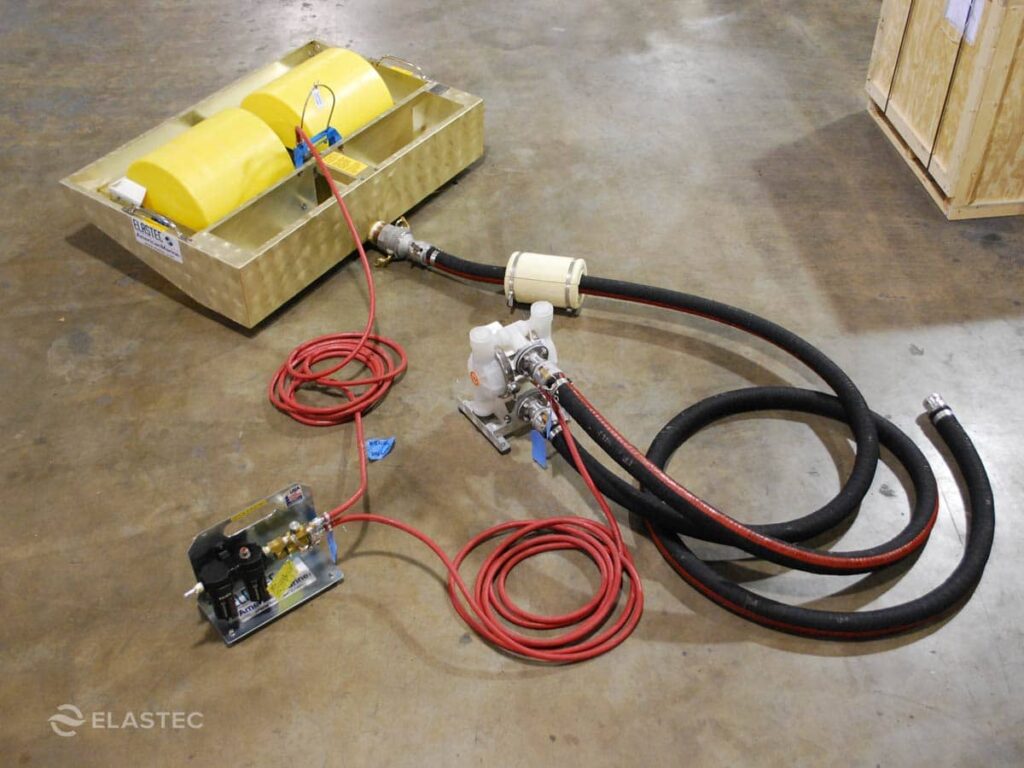
स्पष्ट नियम: एक रिकवरी सिस्टम की गति उसके सबसे धीमे लिंक पर निर्भर करती है। स्किमर की क्षमता, पंप की दर, नली का आकार, पावर यूनिट, अस्थायी भंडारण, बूम लेआउट, पोत का समर्थन और चालक दल - इन सभी का मेल खाना आवश्यक है। एक रिकवरी सिस्टम के कार्यों और घटकों के बारे में विस्तृत जानकारी के लिए, कृपया देखें। तेल रिसाव प्रतिक्रिया उपकरण प्रणालीतेल रिसाव से निपटने के उपकरणों से संबंधित हमारी गाइड देखें।
1. प्रतिक्रिया परिदृश्य से शुरू करें
आकार निर्धारण कार्यस्थल से शुरू होता है, कैटलॉग से नहीं। रिफाइनरी के टैंक के लिए बनाया गया सिस्टम, किसी उथली नदी, बंदरगाह, टैंक फार्म या अपतटीय सहायता पोत के लिए तैयार किए गए सिस्टम से भिन्न होगा।
उपकरणों की तुलना करने से पहले, रिसाव की सबसे संभावित स्थितियों को परिभाषित करें:
- इस प्रणाली का उपयोग कहाँ किया जाएगा: अंतर्देशीय जलमार्ग, तटरेखा, बंदरगाह, टर्मिनल, रिफाइनरी, पाइपलाइन क्रॉसिंग, रेल कॉरिडोर, टैंक, लैगून या अपतटीय स्थान पर?
- यह किस प्रकार का तेल या उत्पाद होने की सबसे अधिक संभावना है: डीजल, कच्चा तेल, चिकनाई वाला तेल, बंकर ईंधन, अपक्षयित तेल, पायसीकृत तेल, या मिश्रित तैलीय मलबा?
- बचावकर्मी घटनास्थल तक कैसे पहुंचेंगे: ट्रक, ट्रेलर, कंटेनर, नाव, वर्क बार्ज, क्रेन, फोर्कलिफ्ट या पैदल चलकर?
- पानी की क्या स्थिति रहने की उम्मीद है: शांत पानी, धारा, लहरें, मलबा, बर्फ, उथला पानी, सीमित पहुंच, या तंग औद्योगिक स्थान?
- किस नियामक, योजना या आंतरिक प्रतिक्रिया लक्ष्य को पूरा करने की आवश्यकता है: बैरल प्रति घंटा, बैरल प्रति दिन, मुठभेड़ दर, भंडारण मात्रा या भौगोलिक कवरेज?
एक प्रभावी तेल रिसाव रिकवरी सिस्टम का आकार प्रतिक्रिया अवधि को ध्यान में रखकर निर्धारित किया जाता है। यदि योजना के अनुसार संवेदनशील क्षेत्र तक तेल पहुँचने से पहले एक निश्चित मात्रा में तेल को रिकवर करना आवश्यक है, तो सिस्टम का आकार उपलब्ध समय, तेल की संभावित मोटाई और व्यावहारिक तैनाती दर के अनुसार होना चाहिए। यदि योजना किसी टर्मिनल पर स्टैंडबाय प्रतिक्रिया के लिए है, तो अधिकतम क्षमता की तुलना में विश्वसनीयता और दोहराने योग्य सेटअप अधिक महत्वपूर्ण हो सकते हैं।
2. अनुमान लगाएं कि आपको वास्तव में कितना तेल मिल सकता है।
एक स्किमर उस तेल को नहीं निकाल सकता जिसे वह छूता ही नहीं है। यह बात स्पष्ट लगती है, लेकिन यह आकार निर्धारण में होने वाली सबसे आम गलतियों में से एक है। नाममात्र की रिकवरी दरें तुलना के लिए उपयोगी होती हैं, लेकिन वास्तविक रिकवरी इस बात पर निर्भर करती है कि स्किमर के सामने कितना तेल लाया जा सकता है।
मुठभेड़ दर के संदर्भ में सोचें। मुठभेड़ दर वह तेल की मात्रा है जो बूम, धारा, पोत की गति या प्राकृतिक संग्रहण द्वारा स्किमर तक पहुँचती है। कई मामलों में, सीमित कारक स्किमर हेड नहीं होता है। बल्कि, यह तेल की वह मात्रा होती है जिसे अवशोषित किया जा सकता है और पुनर्प्राप्ति बिंदु तक निर्देशित किया जा सकता है।
खरीददारी के लिए, ये प्रश्न पूछें:
- क्या स्किमर तेल के एक सीमित क्षेत्र के अंदर काम करेगा या बिखरे हुए तेल के छींटों का पीछा करेगा?
- क्या तेजी से तेल का केंद्रीकरण होगा, या मौजूदा स्थिति तेल को पुनर्प्राप्ति क्षेत्र से आगे धकेल देगी?
- क्या बूमवेन, वर्कबोट या बूम रील तेल की प्रस्तुति में सुधार कर सकते हैं और चालक दल के कार्यभार को कम कर सकते हैं?
- क्या तेल इतनी गाढ़ी होगी कि उसे कुशलतापूर्वक छाना जा सके, या फिर वह ज्यादातर चिकनी परत वाली होगी जिसमें से सीमित मात्रा में ही तेल निकाला जा सकेगा?
- क्या कचरे को पुनर्प्राप्ति मार्ग से दूर रखने के लिए मलबे की स्क्रीनिंग, गार्ड या प्री-बूमिंग की आवश्यकता होगी?
यह कदम अपेक्षाओं को यथार्थवादी बनाए रखता है। उच्च क्षमता वाली प्रणाली में भी तेल को पिकअप बिंदु पर केंद्रित करने की आवश्यकता होती है। कई अंतर्देशीय और तटीय राहत कार्यों के लिए, एक सुनियोजित बूम लेआउट, विश्वसनीय पंप और पर्याप्त भंडारण क्षमता, उपलब्ध सबसे बड़े स्किमर को खरीदने की तुलना में वास्तविक रिकवरी को बेहतर बना सकती है।
3. स्किमर के प्रकार का चयन तेल और परिचालन क्षेत्र के अनुसार करें।
सही स्किमर हेड का चुनाव करके यांत्रिक रिकवरी शुरू होती है। सबसे अच्छा विकल्प तेल के प्रकार, चिपचिपाहट, मलबे, पानी की स्थिति, पहुंच और तेल-पानी पृथक्करण की आवश्यक मात्रा पर निर्भर करता है।
| Skimmer approach | Best fit | Sizing consideration | Elastec example |
|---|---|---|---|
| Drum skimmer | Light to heavy oils where low water pickup is important | Good for controlled recovery pockets; pump and storage should match oil viscosity | TDS118, TDS136 |
| Grooved disc skimmer | Oil that benefits from increased oleophilic surface area | Useful where high oil recovery efficiency matters and debris is manageable | X30 Grooved Disc, X150 |
| Weir skimmer | Higher volume fluid recovery where more water pickup is acceptable | Storage and decanting capacity become especially important | SeaSkater NP |
| Belt, brush, or specialty systems | Heavy oil, debris, ice, or special operating conditions | Select by site conditions and support equipment, not skimmer alone | Application-specific Elastec systems |
एलास्टेक ड्रम स्किमर्स का उपयोग अक्सर उन जगहों पर किया जाता है जहां बचावकर्मी बहुत कम पानी के साथ तेल निकालना चाहते हैं, जबकि उपयुक्त परिस्थितियों में ग्रूव्ड डिस्क सिस्टम तेल की मात्रा को बेहतर ढंग से निकालने में मदद कर सकते हैं। वियर स्किमर्स अधिक तरल पदार्थ निकाल सकते हैं, लेकिन इसका मतलब आमतौर पर निकाले गए तेल में अधिक पानी होना होता है। यह गलत नहीं है; इससे केवल भंडारण और निथारने की आवश्यकता बदल जाती है।
खरीदने की टिप: केवल नाम के आधार पर स्किमर की तुलना न करें। पूरे पैकेज की तुलना करें: तेल का प्रकार, तेल की मोटाई, पानी सोखने की क्षमता, कचरा सहन करने की क्षमता, पंप का सही चुनाव, बिजली का स्रोत, नली की लंबाई, सुवाह्यता और इसे चलाने के लिए आवश्यक कर्मचारियों की संख्या।
4. पंप का आकार केवल गैलन प्रति मिनट के हिसाब से नहीं, बल्कि तेल की मात्रा के हिसाब से तय करें।
पंप वह महत्वपूर्ण हिस्सा है जहां कई रिकवरी सिस्टम या तो अच्छा प्रदर्शन करते हैं या फिर विफल हो जाते हैं। पंप को स्किमर से भंडारण तक रिकवर किए गए उत्पाद को बिना ओवरलोड किए, बिना जाम हुए, बिना तेल को आवश्यकता से अधिक इमल्सीफाई किए या बिना निरंतर ध्यान दिए पहुंचाना होता है।
डीजल के लिए ठीक काम करने वाला पंप ठंडे, खराब हो चुके कच्चे तेल के लिए उपयुक्त नहीं हो सकता है। गाढ़ा तेल निकालने वाला पंप छोटे औद्योगिक सेटअप में हल्के तेल के लिए अनावश्यक हो सकता है। पंप का चयन चिपचिपाहट, सक्शन क्षमता, नली की लंबाई, डिस्चार्ज हेड, कचरा और स्किमर हेड की संवेदनशीलता को ध्यान में रखकर किया जाना चाहिए।
पंप के आकार निर्धारण के प्रमुख कारकों में निम्नलिखित शामिल हैं:
- तेल की चिपचिपाहट अपेक्षित परिचालन तापमान पर होनी चाहिए, न कि केवल कमरे के तापमान पर।
- स्किमर से टैंक, ब्लैडर, बार्ज, वैक्यूम यूनिट या टोट तक आवश्यक स्थानांतरण दूरी।
- चूषण की स्थितियाँ, जिनमें नली का व्यास, भार उठाना, मोड़ और फिटिंग शामिल हैं।
- मलबे, इमल्शन और मिश्रित तैलीय पानी के प्रति सहनशीलता।
- क्या पंप को प्रतिवर्ती होना चाहिए या परिवर्तनीय गति पर चलने में सक्षम होना चाहिए।
- लंबी राहत कार्यों के दौरान रखरखाव की सुविधा और पुर्जों की उपलब्धता सुनिश्चित करना।
भारी तेल स्थानांतरण के लिए, हेलिकल स्क्रू या लोब पंप जैसे पॉजिटिव डिस्प्लेसमेंट पंपों पर अक्सर विचार किया जाता है। हल्के तेलों और कम दूरी के लिए, अन्य प्रकार के पंप अधिक व्यावहारिक हो सकते हैं। महत्वपूर्ण बात यह है कि पंप का आकार पूरे सिस्टम के हिस्से के रूप में निर्धारित किया जाना चाहिए। पंप की क्षमता से अधिक क्षमता वाला स्किमर क्षेत्र में उच्च क्षमता वाला सिस्टम नहीं माना जा सकता।
5. उस विद्युत स्रोत का चयन करें जो उस स्थान के लिए उपयुक्त हो।
विद्युत स्रोत महज एक सहायक वस्तु नहीं है। यह निर्धारित करता है कि सिस्टम कहाँ संचालित हो सकता है, एक साथ कितने घटक चल सकते हैं, चालक दल गति को कैसे नियंत्रित करता है, और किस प्रकार के रखरखाव समर्थन की आवश्यकता है।
उपयोग के आधार पर एलास्टेक ड्रम स्किमर सिस्टम को वायवीय, हाइड्रोलिक या विद्युत ऊर्जा स्रोतों के साथ कॉन्फ़िगर किया जा सकता है।
पावर का आकार निर्धारित करते समय, निम्नलिखित बातों की पुष्टि करें:
- यदि आवश्यक हो तो स्किमर, पंप और सहायक उपकरण एक साथ चल सकते हैं।
- वास्तविक क्षेत्र की स्थितियों के लिए अतिरिक्त क्षमता के साथ, उपकरण में हाइड्रोलिक प्रवाह और दबाव का मिलान किया जाता है।
- राहत कार्य स्थल पर ईंधन, हवा या बिजली की आपूर्ति उपलब्ध है।
- नियंत्रण इतने सरल हैं कि चालक दल उपकरण से जूझने के बजाय स्किमर और पंप की गति को आसानी से समायोजित कर सकता है।
- यह पावर यूनिट पहुंच मार्ग के लिए पर्याप्त रूप से पोर्टेबल है और पर्यावरण के लिए पर्याप्त रूप से मजबूत है।
तेल रिसाव से होने वाले नुकसान को ठीक करने वाली संपूर्ण प्रणाली को स्थापित करना और शुरू करना आसान होना चाहिए। यदि बिजली इकाई साइट के लिए बहुत भारी है, अनुपलब्ध उपयोगिताओं की आवश्यकता है, या पंप और स्किमर दोनों को एक साथ सहारा नहीं दे सकती है, तो प्रणाली अपर्याप्त है, भले ही स्किमर हेड कागज़ पर सही प्रतीत हो।
6. भंडारण संबंधी गणना पहले ही कर लें।
अस्थायी भंडारण वह जगह नहीं है जहाँ बचावकर्मी आमतौर पर पैसा खर्च करना चाहते हैं, लेकिन यह निरंतर बचाव कार्य और रुक-रुक कर चलने वाले अभियान के बीच का अंतर हो सकता है। भंडारण भर जाने पर बचाव कार्य रुक जाता है। इसलिए भंडारण क्षमता प्रणाली के आकार निर्धारण का एक महत्वपूर्ण हिस्सा है।
भंडारण की आवश्यकताएँ केवल तेल पर ही नहीं, बल्कि प्राप्त द्रव पर भी निर्भर करती हैं। यदि सिस्टम से तेल और पानी का मिश्रण प्राप्त होने की उम्मीद है, तो भंडारण क्षमता उस कुल मात्रा के अनुरूप होनी चाहिए। यदि डिकैंटिंग की अनुमति है और यह व्यावहारिक है, तो इससे भंडारण दबाव कम हो सकता है, लेकिन बिना अनुमोदन और स्पष्ट प्रक्रिया के डिकैंटिंग की आवश्यकता नहीं मानी जानी चाहिए।
भंडारण योजना को निम्नलिखित बातों को ध्यान में रखकर तैयार करें:
- अपेक्षित पुनर्प्राप्त तेल की मात्रा और जल संचयन।
- टैंक बदलने, स्थानांतरित करने या वैक्यूम ट्रक सेवा के बीच एक यथार्थवादी परिचालन अवधि।
- पोर्टेबल टैंक, डेक टैंक, ब्लैडर, बजरा, टोट्स या वैक्यूम यूनिट की संख्या और आकार।
- केवल टैंक की नाममात्र क्षमता ही नहीं, बल्कि सुरक्षित कार्य क्षमता भी महत्वपूर्ण है।
- द्वितीयक रोकथाम, लंगर डालना, उठाना, परिवहन और निपटान संबंधी व्यवस्था।
एक सामान्य योजना के तौर पर, भंडारण का आकार इस प्रकार रखें कि पीक रिकवरी के दौरान क्रू को बार-बार काम रोकना न पड़े। अगर रिकवर किए गए तरल पदार्थ को ले जाने की जगह ही न हो, तो सबसे अच्छा स्किमर और पंप कॉम्बिनेशन भी ज्यादा मायने नहीं रखेगा।
7. स्किमर को ध्यान में रखते हुए बूम, नावों और पोजिशनिंग उपकरणों का आकार निर्धारित करें।
तेल को निकालने के लिए रोकथाम और स्थिति निर्धारण उपकरण आवश्यक होते हैं। कई मामलों में, बूम रिकवरी सिस्टम का अग्रभाग होता है। यह तेल को इकट्ठा करता है, उसकी गति धीमी करता है, उसे गाढ़ा बनाता है और उसे छानने में आसानी प्रदान करता है।
बूम पैकेज को परिचालन वातावरण के अनुरूप चुना जाना चाहिए: संरक्षित जल, धारा, तटरेखा, बंदरगाह, नदी, अपतटीय क्षेत्र, औद्योगिक बेसिन या तीव्र जल। बूम की लंबाई, फ्रीबोर्ड, ड्राफ्ट, कनेक्टर, एंकर, टो ब्रिडल, रील और परिनियोजन विधि, ये सभी रिकवरी प्रदर्शन को प्रभावित करते हैं।
सहायक नौकाएँ भी महत्वपूर्ण होती हैं। बूम को खींचने, स्किमर की देखभाल करने, उपकरण लाने-ले जाने, भंडारण को स्थानांतरित करने या सिस्टम को सुरक्षित रूप से स्थापित करने के लिए एक वर्कबोट की आवश्यकता हो सकती है। उथले या मलबे से भरे जलमार्गों में, अधिकतम गति की तुलना में ड्राफ्ट, डेक स्पेस, गतिशीलता और लिफ्टिंग पॉइंट्स अधिक मायने रख सकते हैं।
संपूर्ण सिस्टम साइजिंग के लिए, निम्नलिखित को शामिल करें:
- प्राथमिक रोकथाम बूम और अतिरिक्त भाग।
- तेजी से तैनाती और वापसी के लिए बूम रील या कंटेनर।
- लंगर, लगाम, खींचने वाली रस्सियाँ, बुआ, रोशनी और मार्कर।
- उपकरण और चालक दल के लिए उपयुक्त आकार की कार्य नौकाएँ, लैंडिंग क्राफ्ट या सहायक पोत।
- धारा में तेल एकत्र करने के लिए उपयुक्त उपकरण, जैसे कि विक्षेपण बूम या बूमवेन-शैली प्रणाली।
खुले पानी में बिना तेल निकालने के उचित तरीके के पड़ा हुआ स्किमर कोई कारगर रिकवरी सिस्टम नहीं है। बूम, नाव और पोजिशनिंग गियर शुरू से ही खरीद पैकेज का हिस्सा होने चाहिए।
8. मलबे, पहुंच और क्षेत्र रखरखाव के लिए योजना बनाएं
स्वच्छ परीक्षण टैंकों में रिसाव बहुत कम होता है। यह घाटों, खरपतवारों, लकड़ियों, कचरे, बर्फ, कीचड़, तटवर्ती वनस्पतियों और सीमित पहुंच वाले स्थानों के आसपास होता है। सिस्टम का आकार तय करते समय, प्रतिकूल परिस्थितियों में भी रिसाव को रोकने के लिए आवश्यक उपकरण और श्रम को शामिल किया जाना चाहिए।
इस बात पर विचार करें कि क्या सिस्टम को निम्नलिखित की आवश्यकता है:
- मलबे से बचाव के लिए अवरोधक, जाली या कचरा प्रबंधन उपकरण।
- उथले पानी में काम करने की क्षमता या ऐसा उपकरण जो हाथ से उठाने के लिए पर्याप्त हल्का हो।
- अतिरिक्त होज़, फिटिंग, स्क्रैपर, बेल्ट, हाइड्रोलिक कपलर और बुनियादी सर्विस पार्ट्स।
- एक फील्ड टूल किट, अवशोषक पदार्थ, पीपीई, प्रकाश व्यवस्था और संचार उपकरण।
- एक बचाव ट्रेलर या कंटेनर जिसे इस तरह से व्यवस्थित किया गया हो ताकि बचाव दल को अपनी जरूरत की चीजें जल्दी मिल सकें।
खरीद प्रक्रिया में डाउनटाइम का ध्यान रखा जाना चाहिए। यदि एक छोटा सा पाइप फिटिंग पूरे सिस्टम को रोक सकता है, तो उसे आपातकालीन स्थिति में आवश्यक उपाय में शामिल किया जाना चाहिए। यदि मलबा गिरने की आशंका है, तो उपकरण का चयन और तैनाती मलबे को संभालने की सुविधा को ध्यान में रखकर की जानी चाहिए।
9. सिस्टम को क्रू के अनुरूप बनाएं।
कोई भी सिस्टम तभी उपयोगी होता है जब उपलब्ध क्रू उसे सुरक्षित रूप से तैनात और संचालित कर सके। एक बड़ा सिस्टम देखने में आकर्षक लग सकता है, लेकिन अगर इसके लिए क्रेन, कई जहाजों, विशेष मैकेनिकों या प्रशिक्षित क्रू की आवश्यकता हो जो शुरुआती परिचालन अवधि के दौरान उपलब्ध न हो, तो यह प्राथमिक प्रतिक्रिया पैकेज के रूप में उपयुक्त नहीं हो सकता।
क्रू साइजिंग में निम्नलिखित शामिल होने चाहिए:
- बूम, एंकर, स्किमर, होज़ और भंडारण के लिए तैनाती दल।
- स्किमर, पंप, पावर यूनिट और वेसल्स के ऑपरेटर।
- पुनर्प्राप्त उत्पाद का प्रबंधन, अनुमोदित होने पर उसे दूसरे बर्तन में डालना, टैंक बदलना और अपशिष्ट पदार्थों की निगरानी करना।
- पंप, हाइड्रोलिक सिस्टम, होज़ और घिसावट वाले पुर्जों के लिए रखरखाव सहायता।
- पर्यवेक्षण, सुरक्षा निगरानी और संचार।
प्रशिक्षण खरीद प्रक्रिया का एक अभिन्न अंग होना चाहिए, विशेष रूप से उन परिचालन अनुसंधान केंद्रों (OSROs) और सुविधाओं के लिए जो उपकरणों का उपयोग हर सप्ताह नहीं करते हैं। एक अच्छी तरह से डिज़ाइन किया गया सिस्टम, जिसका वास्तविक कर्मचारियों के साथ अभ्यास किया गया हो, आमतौर पर उस बड़े सिस्टम से बेहतर प्रदर्शन करता है जिसे कभी भी फील्ड परिस्थितियों में असेंबल नहीं किया गया हो।
10. संपूर्ण रिकवरी श्रृंखला के आधार पर खरीद विनिर्देश तैयार करें।
कोटेशन मांगते समय, केवल स्किमर मांगने के बजाय पूरे सिस्टम के स्पेसिफिकेशन को स्ट्रक्चर करें। इससे सप्लायर को उपयुक्त पैकेज सुझाने में मदद मिलती है और आंतरिक समीक्षा आसान हो जाती है।
एक मजबूत खरीद विनिर्देश में निम्नलिखित शामिल होना चाहिए:
- लक्षित रिसाव परिदृश्य और परिचालन स्थान।
- तेल के संभावित प्रकार, श्यानता सीमा, तापमान सीमा और मलबे की स्थिति।
- आवश्यक रिकवरी लक्ष्य, जैसे कि बैरल प्रति घंटा, बैरल प्रति दिन, या परिचालन अवधि।
- वांछित स्किमर का प्रकार या प्रदर्शन संबंधी आवश्यकता, जिसमें स्वीकार्य जल संग्रहण भी शामिल है।
- पंप की आवश्यकताएं, नली की लंबाई, स्थानांतरण दूरी और निर्वहन बिंदु।
- विद्युत स्रोत की प्राथमिकता और स्थल की सीमाएँ।
- अस्थायी भंडारण क्षमता और स्थानांतरण विधि।
- बूम, एंकर, रील, नाव और तैनाती उपकरण।
- गतिशीलता संबंधी आवश्यकताएँ: ट्रेलर, कंटेनर, पोत पर लगा हुआ, फोर्कलिफ्ट करने योग्य, क्रेन से उठाने योग्य, या हाथ से ले जाने योग्य।
- कर्मचारियों की संख्या, प्रशिक्षण की आवश्यकताएं, अतिरिक्त पुर्जे, दस्तावेज़ीकरण और रखरखाव संबंधी अपेक्षाएं।
यह तरीका खरीद प्रक्रिया में आने वाली एक आम समस्या से बचाता है: स्किमर खरीदने के बाद बाकी सिस्टम को बाद में असेंबल करने की कोशिश करना। आमतौर पर शुरुआत में ही पूरे पैकेज का आकार तय करना बेहतर होता है।
उदाहरण प्रणाली आकार निर्धारण ढांचा
हर प्रतिक्रिया योजना अलग होती है, लेकिन निम्नलिखित ढांचा खरीद टीमों को चर्चा को व्यवस्थित करने में मदद कर सकता है।
| Question | Why it matters | Procurement output |
|---|---|---|
| What oil are we recovering? | Oil type and viscosity affect skimmer, pump, hose, and power choices. | Oil range and temperature assumptions |
| Where will it be recovered? | Current, waves, access, depth, and debris affect the whole package. | Operating environment and deployment limits |
| How will oil reach the skimmer? | Encounter rate often limits real recovery. | Boom, vessel, and positioning plan |
| How far must product be transferred? | Long hose runs and thick oil require more pump planning. | Pump, hose, and power specification |
| How much fluid can we store? | Recovery stops when storage is full. | Tank, bladder, barge, or vacuum plan |
| Who will run it? | Equipment must match crew size and training. | Crew plan, training, and spare parts |
साइजिंग से जुड़ी आम गलतियाँ जिनसे बचना चाहिए
- पंप, स्टोरेज और पावर क्षमता की जांच किए बिना सबसे बड़ा स्किमर खरीदना।
- यह मानते हुए कि नेमप्लेट रिकवरी दर पतले तेल या बिखरी हुई चमक में वास्तविक फील्ड रिकवरी से मेल खाएगी।
- यह भूल जाना कि बरामद तरल में पानी भी शामिल हो सकता है, जिससे भंडारण की आवश्यकता बढ़ जाती है।
- श्यानता, तापमान, नली की लंबाई और चूषण की स्थितियों पर विचार किए बिना पंप का चयन करना।
- स्किमर को तेल उपलब्ध कराने के लिए आवश्यक बूम, एंकर और सपोर्ट वेसल का आकार छोटा होना।
- लंबे समय तक चलने वाले अभियानों के दौरान मलबे, अतिरिक्त पुर्जों और रखरखाव की जरूरतों को नजरअंदाज करना।
- एक ऐसी प्रणाली का उल्लेख करना जिसे उपलब्ध दल जल्दी या सुरक्षित रूप से तैनात नहीं कर सकता।
एक व्यावहारिक खरीद चेकलिस्ट
- ☐ रिसाव की संभावित स्थितियों और प्रतिक्रिया उद्देश्यों को परिभाषित करें।
- ☐ तेल के प्रकार, श्यानता सीमा और तापमान की स्थितियों की पहचान करें।
- ☐ मुठभेड़ की दर और रोकथाम की आवश्यकताओं का अनुमान लगाएं।
- ☐ तेल, पानी, मलबा और पहुंच के आधार पर स्किमर का प्रकार चुनें।
- ☐ पंप के प्रकार और क्षमता का मिलान स्किमर के आउटपुट और स्थानांतरण दूरी से करें।
- ☐ विद्युत स्रोत, नियंत्रण और परिचालन क्षमता की पुष्टि करें।
- ☐ केवल तेल ही नहीं, बल्कि पुनर्प्राप्त तरल पदार्थ के लिए भी पर्याप्त भंडारण स्थान।
- ☐ इसमें बूम, एंकरिंग, रील, पोत और पोजिशनिंग उपकरण शामिल हैं।
- ☐ मलबे, अतिरिक्त पुर्जों, औजारों, व्यक्तिगत सुरक्षा उपकरणों (पीपीई) और क्षेत्र में रखरखाव के लिए योजना बनाएं।
- ☐ दल के आकार, प्रशिक्षण, दस्तावेज़ीकरण और अभ्यास कार्यक्रम की पुष्टि करें।
अंतिम विचार: सिस्टम का आकार निर्धारित करें, न कि किसी एक मशीन का।
यांत्रिक रिकवरी तब सबसे अच्छा काम करती है जब उपकरण को एक श्रृंखला के रूप में माना जाता है। तेल को नियंत्रित करना, सांद्रित करना, पुनर्प्राप्त करना, पंप करना, संग्रहित करना, परिवहन करना और दस्तावेजीकरण करना आवश्यक है। यदि कोई भी कड़ी कमजोर हो, तो प्रतिक्रिया धीमी हो जाती है।
किसी OSRO या तेल एवं गैस संयंत्र के लिए, तेल रिसाव को पुनः प्राप्त करने का सबसे अच्छा तरीका हमेशा सबसे बड़ा सिस्टम नहीं होता है। बल्कि, ऐसा सिस्टम सबसे उपयुक्त होता है जो संभावित रिसाव के अनुरूप हो, अपेक्षित तेल को स्थानांतरित कर सके, उपलब्ध कर्मचारियों के साथ काम कर सके और कीचड़ भरे, हवादार, ठंडे, उथले, दूरस्थ या भीड़भाड़ वाले क्षेत्रों में भी तैनात किया जा सके।
इस तरह के आकार निर्धारण के लिए पहले से ही अधिक सोच-विचार की आवश्यकता होती है, लेकिन आपातकालीन स्थिति में इसका लाभ मिलता है। एक सटीक रिकवरी सिस्टम बचाव दल को तेल को नियंत्रित करने, उसे निकालने और पानी से बाहर निकालने का बेहतर मौका देता है, जिससे उपकरणों के बेमेल होने के कारण समय की बर्बादी नहीं होती।
एलास्टेक से बात करें स्किमर, पंप, पावर यूनिट, बूम, स्टोरेज और रिस्पांस ट्रेलर के बारे में।
हमारे साथ जुड़ें
एलास्टेक से नवीनतम समाचार और उत्पाद जानकारी प्राप्त करने के लिए हमारे न्यूज़लेटर के लिए साइन अप करें।